Recreational Kayak Buying Guide: Seats and Outfitting
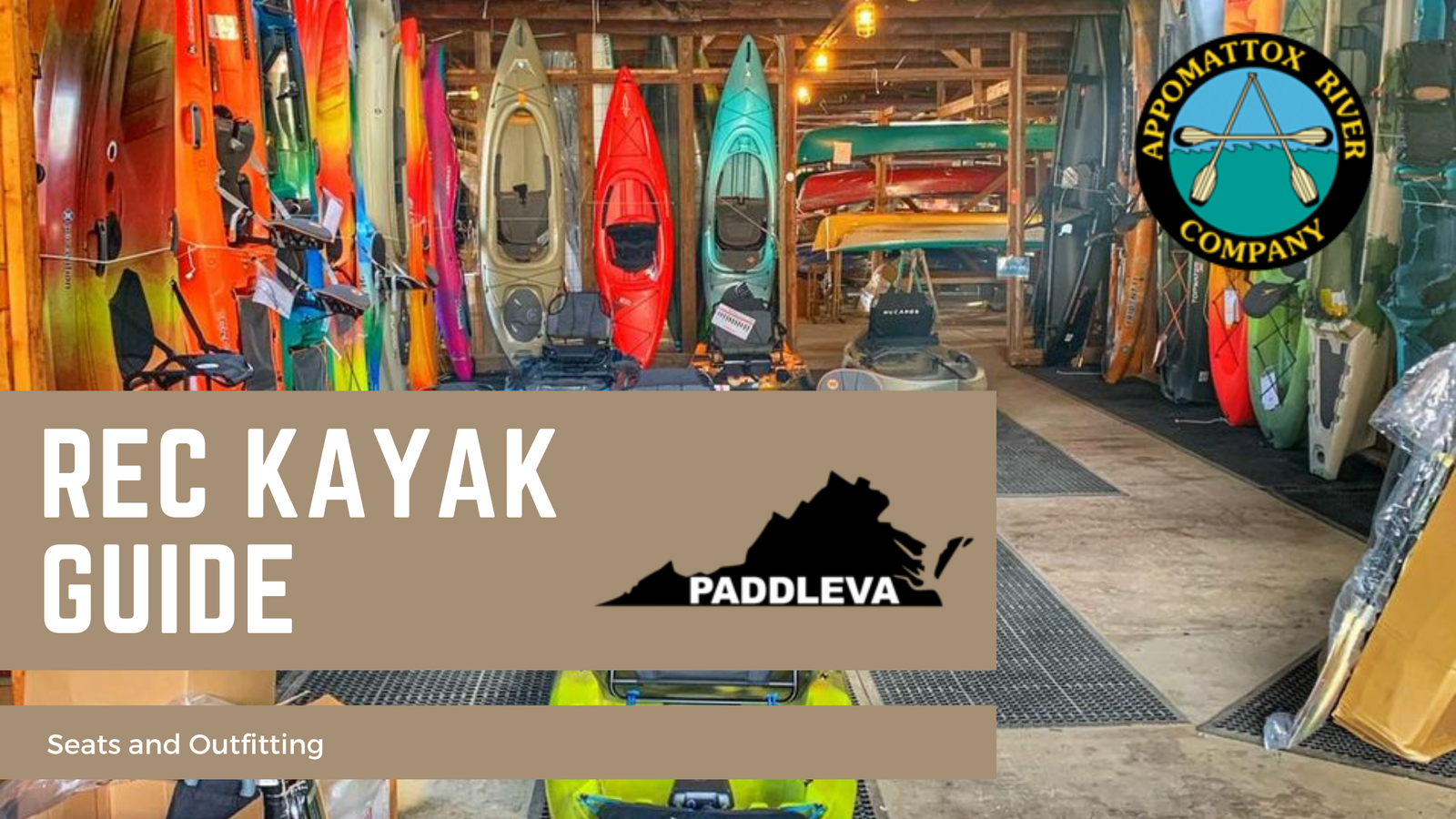
Once you’ve settled on a hull type, the next step is thinking about comfort — specifically, the outfitting. Outfitting is the user interface of the kayak: the seat, foot rests, hip and thigh braces, and anything else that connects you to the boat.
Seats
For most recreational kayakers, the seat is the most important piece of outfitting. We think about seats in three main categories: molded seats, adjustable non-frame seats, and frame seats.
Molded Seats
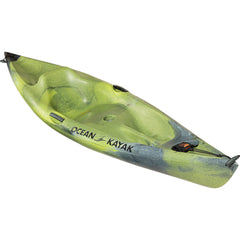
The least expensive and most durable option, molded seats are built directly into the deck of the kayak. Manufacturers sometimes add foam padding or an adjustable backrest, but these seats offer limited support and customization. Because they sit flush with the deck, water tends to pool in them — expect a wet seat more often than with other styles.
Adjustable Non-Frame Seats

Generally considered mid-range, these seats vary widely in features depending on the brand and model. Most use a raised seat pan that drains water below the seat, keeping you drier and more comfortable. They typically feature foam and mesh padding for ventilation and moisture wicking, and many allow you to adjust back height and leg lifter straps. Because they sit lower to the waterline than frame seats, they offer a good balance of comfort, control, and stability.


Frame Seats


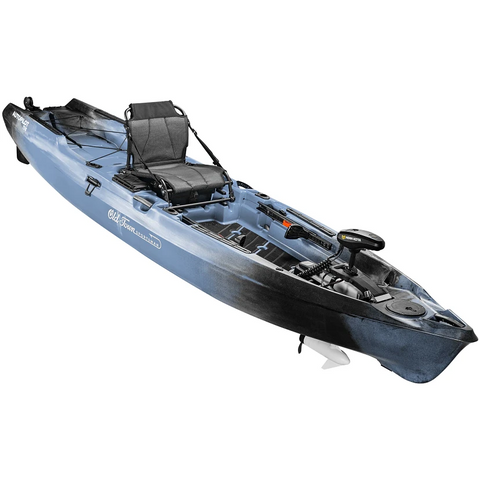
The most comfortable option, frame seats use metal frames similar to stadium seats. They’re removable and many offer multiple positions — high or low, forward or back — along with generous padding and lumbar support. Frame seats typically add at least $100 to the price of a boat, sometimes significantly more.
They’re especially helpful for paddlers with back or knee issues and are much easier to stand up out of. Because they’re removable, always secure them before launching — they don’t float and can be difficult to replace. One trade-off: frame seats raise the paddler higher above the waterline, shifting the center of gravity and making the boat feel less stable. Most kayaks designed for frame seats compensate with a more stable hull shape.
Foot Rests

Every kayak needs some form of foot rest, though they vary by price point. Entry-level boats use molded footwells — a series of fixed positions where you choose the one that best fits your leg length. Mid-range and higher-end kayaks feature adjustable foot pegs, which are more customizable and keep your ankles at a more natural angle for longer paddles.
Hip and Thigh Braces
When paddling a sit-inside kayak, your hips are your primary control point. Snug hip pads give you more direct, responsive control over the boat. Thigh braces go a step further, locking your legs into position for maximum efficiency — you’ll typically find these only in performance day-touring or whitewater kayaks.
These features aren’t common in recreational boats, but they’re worth considering if you plan to cover long distances or want the most efficient paddling experience. A few sit-on-top kayaks designed for mild whitewater also offer thigh straps to achieve similar control.