Canoe Buying Guide
Kayak vs. canoe: which is right for you?
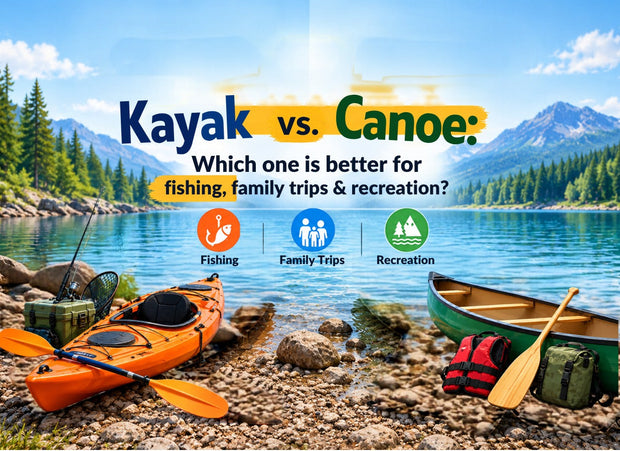
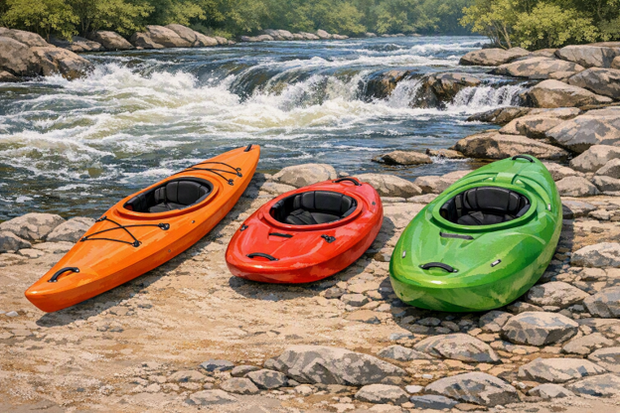
Choose a canoe if you want to carry more gear, paddle with family or a dog, take multi-day trips, or sit higher and drier. Choose a kayak if you want speed, easier solo paddling, better control in wind, or whitewater performance. In short, canoes carry more and are easier to load; kayaks are faster and more efficient solo. This guide from Appomattox River Company — Virginia's canoe specialists since 1977 — helps you pick the right canoe.
Types of canoes
- Recreational canoes — stable, forgiving, and affordable for lakes and calm rivers; great for families.
- Tripping / expedition canoes (Prospector-style hulls) — carry big loads over long distances.
- Solo canoes — lighter and shorter for one paddler.
- Whitewater canoes — rockered hulls built for rivers and rapids.
- Square-stern & fishing canoes — accept a small motor and offer a stable fishing platform.
Canoe materials
- T-Formex (Esquif) — tough, quiet, great for rocky rivers.
- Tuff-weave / composite (Wenonah) — light and efficient for tripping.
- TuffStuff & Blue Steel (Nova Craft) — durable, lightweight layups.
- StarLite / BlackLite (Northstar) — premium ultralight.
- Aluminum (Grumman) — nearly indestructible and low-maintenance.
What size canoe do I need?
14–15 ft canoes suit solo or two-person day paddling; 16–17 ft canoes carry more gear and passengers for tripping. Match the capacity to your total load, and go lighter if you'll car-top or portage often.
Solo vs. tandem
Tandem canoes (16–17 ft) can be paddled solo from the center in calm conditions, but a dedicated solo canoe is easier to control alone. If you'll usually paddle with a partner, dog, or kids, go tandem.
Frequently asked questions
Are canoes good for fishing? Yes — canoes offer a stable, high vantage point and lots of room for gear, and square-stern models accept a motor.
Are canoes hard to paddle solo? A solo canoe or a lightweight tandem is very manageable; our team can show you technique in person.
Questions? Call us or visit our Farmville, VA showroom — canoe specialists since 1977.