Kayak Buying Guide
How to choose a kayak
The right kayak comes down to three questions: where will you paddle, what will you use it for, and who's paddling it? This guide from Appomattox River Company — Virginia's paddlesports specialists since 1977 — walks you through kayak types, sizing, and the features that matter, so you buy the right boat the first time.
Types of kayaks
- Recreational kayaks — stable, easy to paddle, and affordable. Best for calm lakes, ponds, and slow rivers, and great for beginners. Shop recreational kayaks.
- Touring / sea kayaks — longer and narrower for speed, tracking, and distance on open water, with bulkheads and hatches for gear. Shop touring kayaks.
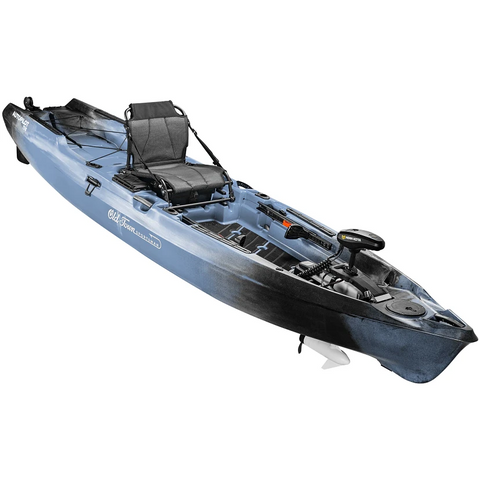
- Fishing kayaks — wide, stable platforms (many stand-up capable) rigged for rods and electronics, in paddle, pedal, and motor. Shop fishing kayaks.
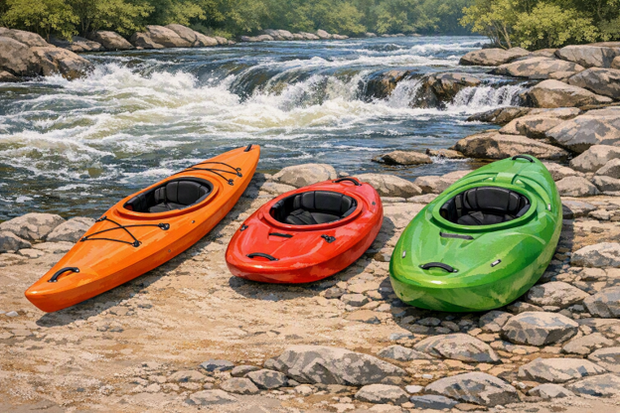
- Whitewater kayaks — short and maneuverable for rivers and rapids. Shop whitewater kayaks.
- Crossover kayaks — a versatile blend of recreational comfort and whitewater capability. Shop crossover kayaks.
- Tandem kayaks — two-seaters for couples and families. Shop tandem kayaks.
- Inflatable kayaks — packable and easy to store or transport. Shop inflatable kayaks.
Sit-inside vs. sit-on-top kayaks
Sit-on-top kayaks are open, self-draining, easy to climb on and off, and nearly impossible to sink — ideal for warm water, fishing, and beginners. Sit-inside kayaks keep you drier and warmer, are more efficient and easier to control, and suit cooler water, touring, and wind.
What size kayak do I need?
Length affects speed and tracking; width affects stability. A rule of thumb:
- 8–10 ft — nimble and easy to store; small ponds, creeks, and kids.
- 10–12 ft — the recreational sweet spot: stable and versatile for lakes and slow rivers.
- 12–14 ft — faster touring and fishing kayaks that track well and carry gear.
- 14 ft+ — sea/touring kayaks for distance and open water.
Match the kayak's weight capacity to your body weight plus gear (leave ~25% headroom), and consider cockpit size and seat comfort for your frame. Not sure? Our team fits paddlers in person every day.
Kayak materials
Most kayaks are rotomolded polyethylene — tough and affordable. Thermoformed hulls (Eddyline, Hurricane) are lighter and stiffer at a higher price. Composite (fiberglass/carbon) boats are the lightest and fastest.
Best kayaks for beginners
A 10–12 ft recreational sit-on-top or sit-inside with high stability is the easiest start — think Wilderness Systems Pungo, Old Town Loon, or Perception Pescador. Add a properly-fitted PFD and a paddle sized to your height and boat width.
Frequently asked questions
Is a longer kayak better? Longer kayaks are faster and track straighter but are less maneuverable and harder to store. For most recreational paddlers, 10–12 ft is ideal.
How much should I spend? Quality recreational kayaks start around $500–$900; fishing and touring kayaks range higher. Buying from a dealer means expert fitting and full manufacturer warranty.
Have a question about a specific boat? Call us or visit our Farmville, VA showroom — fitting paddlers since 1977.