Kayak vs. paddleboard for fishing: Which one gives you the better experience?
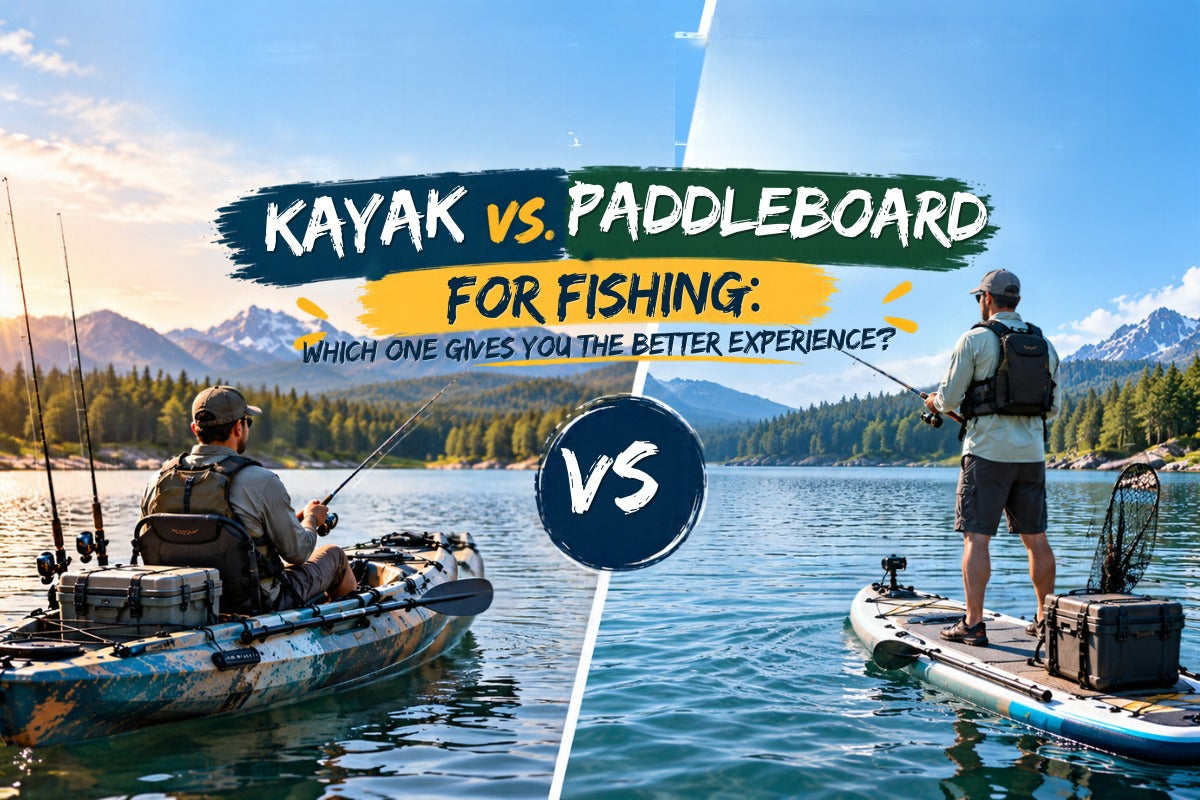
Choosing between a kayak and a paddleboard for fishing depends on how you fish, where you launch, and how much equipment you carry. Both can help you reach quiet fishing spots, explore shallow water, and enjoy time outdoors, but they offer different advantages. Kayaks generally provide more enclosed or dedicated storage options and seated fishing positions, while paddleboards offer an open platform and a more active paddling experience. Understanding their differences will help you choose the right setup for your fishing style.
Quick answer
For most anglers who prioritize storage, seated comfort, and carrying fishing equipment, a fishing kayak is often the more practical choice. A fishing paddleboard can be a good option for anglers who value an open deck, visibility, and a lightweight, active experience on calm water. The better option depends on stability, fishing gear, water conditions, transportation, paddling experience, and whether you prefer to fish seated or standing.
Kayak vs. paddleboard for fishing: what’s the difference?
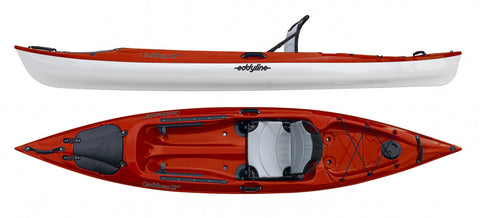
A fishing kayak is a small watercraft designed for seated paddling, with many models offering dedicated storage, rod holders, and accessory mounting points. Fishing paddleboards are boards adapted for angling, often with attachment points or accessories for carrying tackle and securing rods.
The main difference is how you sit or stand, organize equipment, and move across the water.
Fishing kayaks
Fishing kayaks generally provide a seated position, and many feature wider hulls designed to provide a stable platform. Depending on the model, they may include tackle storage, rod holders, adjustable seating, and space for coolers or other gear.
They can be especially useful for longer fishing sessions or trips that require carrying more equipment.
Fishing paddleboards
Fishing paddleboards provide an open deck that can make moving around and accessing equipment convenient. Some anglers prefer standing because it can improve visibility over clear or shallow water.
However, standing requires balance and suitable conditions. Wind, boat wakes, and current can make fishing from a board more challenging, especially for beginners.
Fishing stability and balance compared
Stability is one of the most important considerations when choosing between these two options. You need a platform that feels manageable while you cast, retrieve a lure, change position, or reach for equipment.
How kayaks handle fishing movements
Many fishing kayaks have wider hulls and a lower seated position that can help anglers feel secure while casting and reeling. Their stability varies by hull shape, width, loading, and design, so compare the manufacturer's specifications rather than assuming all kayaks perform the same way.
If you carry a cooler, tackle boxes, and other equipment, check the kayak's maximum weight capacity and account for the combined load.
How paddleboards handle balance
Fishing paddleboards typically require more active balance, especially when you stand. A wide board designed for fishing may provide a more stable platform than a narrow recreational board, but stability still depends on board dimensions, water conditions, and the paddler's skill.
Some anglers choose to fish while kneeling or sitting to improve comfort and balance. If you are new to paddleboard fishing, practise balancing and paddling before bringing valuable fishing gear.
Casting and reeling from a kayak vs. paddleboard
Your fishing technique can influence which platform feels more natural.
Casting from a kayak
A kayak allows you to fish from a seated position, which can be comfortable during long sessions. Rod holders and accessible tackle storage can help keep equipment organized and reduce unnecessary movement.
For anglers who frequently change lures, handle fish, or carry multiple rods, a purpose-built fishing kayak can provide a practical layout. Make sure rods and accessories are secured so they do not interfere with paddling or entry and exit.
Casting from a paddleboard
A paddleboard provides an open platform and can offer a useful standing viewpoint in calm, clear water. This may help anglers spot fish or observe underwater features.
However, casting while standing requires balance and controlled movements. Beginners may find it easier to start seated or kneeling, then progress to standing when they feel comfortable.
Whichever platform you choose, keep your weight centered, avoid sudden movements, and consider wind and current before casting.
Maneuverability and paddling performance
Kayaks and paddleboards handle differently because their hulls and paddling positions are different.
Kayak tracking and control
Many kayaks are designed to travel efficiently in a straight line, although tracking and turning performance vary by length and hull shape. Shorter kayaks may turn more easily, while longer models often track efficiently over greater distances.
For anglers who need to cover a large lake or move between fishing locations, kayak design and paddle efficiency can make a meaningful difference.
Paddleboard movement
Paddleboards offer an upright viewpoint and can be maneuverable in suitable conditions. However, standing changes your center of gravity, and wind can push the board off course.
A paddleboard may be convenient for exploring calm shallows or repositioning over short distances, while a kayak may feel more practical for longer journeys or when carrying substantial gear.
Choosing a suitable kayak design
Specialized kayak designs are intended for different types of water. For example, a Pyranha kayak is commonly associated with whitewater and river-focused paddling. If your fishing plans involve calm lakes or slow-moving water, compare the intended use of the specific model rather than assuming a whitewater-oriented kayak will suit your needs.
Which is easier to transport and launch?
Transportation can influence how often you use your fishing setup. Consider the weight of the craft, available storage space, vehicle compatibility, and distance from your parking area to the launch point.
Transporting a kayak
Rigid kayaks can require roof racks, a trailer, or another suitable carrying system. Larger models may be difficult to lift alone, so check the kayak's weight and dimensions before purchasing.
Some fishing kayaks are designed to work with carts or other transport accessories, which can help when moving from a vehicle to the water.
Transporting a paddleboard
Paddleboards can be relatively straightforward to carry, although rigid boards still require sufficient vehicle and storage space. Inflatable models can be packed into a suitable bag, making storage and transportation easier for many users.
An inflatable paddle board can be worth considering if you have limited storage space or need to transport your equipment in a smaller vehicle. Before choosing one for fishing, verify its weight capacity, dimensions, rigidity when inflated, and compatibility with fishing accessories.
Don't forget the full setup
Compare the total equipment you will carry, including the paddle, PFD, fishing gear, pump if required, and any cart or rack. A craft that is easy to transport but difficult to rig may not be the most convenient option for your routine.
Kayak vs. paddleboard for different fishing conditions
The water you fish most often should guide your decision. Calm ponds, large reservoirs, rivers, and coastal areas present different challenges.
Calm lakes and ponds
Both fishing kayaks and fishing paddleboards can work well on calm water. A kayak may suit anglers who carry more gear or prefer to remain seated, while a paddleboard can appeal to those who want an open platform and a standing viewpoint.
Rivers and moving water
Current, obstacles, and changing water levels can make maneuverability and control especially important. Choose a craft specifically suited to the conditions and your experience. Neither a general-purpose kayak nor a paddleboard should automatically be assumed suitable for rapids.
A Dagger kayak is associated with paddling and whitewater-oriented models, but the suitability of any specific craft depends on its design and intended use. Fishing in moving water requires careful consideration of current, obstacles, safety equipment and paddling skills.
Coastal and exposed water
Wind, waves, tides and boat traffic can create additional challenges. Kayaks designed for appropriate coastal conditions may provide advantages for carrying equipment and travelling longer distances, while paddleboards may be better suited to sheltered water when conditions are favorable.
Always check the weather and local conditions before launching, and avoid water beyond your ability or the craft's intended use.
Which is better for beginners?
Both options can suit beginners, but the learning experience is different.
A fishing kayak may be easier for someone who prefers seated paddling and wants to carry several pieces of equipment. A paddleboard may suit someone who enjoys an active experience and is willing to practise balance before fishing from a standing position.
Beginner tips for choosing
-
Start in calm, sheltered water.
-
Practise launching, stopping and turning before bringing extensive fishing gear.
-
Wear a properly fitted personal flotation device.
-
Check the craft's capacity and intended conditions.
-
Learn how wind and current affect movement.
-
Secure rods, tackle and other equipment before travelling.
If you are unsure, try both options through a demo or rental before investing in a complete setup.
Fishing kayaks for sale: what should you compare?
When browsing fishing kayaks for sale, compare more than the advertised price. Consider stability, seating comfort, weight capacity, storage, hull design, transportation, and compatibility with accessories.
A good comparison should also include the total cost of the setup, such as a paddle, PFD, rack or cart, and any fishing accessories you need.
Think about how far you usually travel, how long you stay on the water, and how much equipment you carry. These practical details will help you narrow your choices more effectively than relying on appearance alone.
When should you choose fishing paddle boards?
Fishing paddle boards may be a good fit if you primarily fish calm, sheltered water, prefer an open platform, and value the ability to stand when conditions and your balance allow.
Look for a board with suitable width, sufficient capacity, a stable design, and secure ways to carry fishing equipment. Consider whether you will fish seated, kneeling, or standing, and verify that accessories are compatible with the board.
A paddleboard may not be the best choice if you need to carry substantial gear, cover long distances in windy conditions, or fish in water that exceeds your skill level. Evaluate your priorities before deciding.
Common mistakes when choosing a fishing kayak or paddleboard in the USA
Fishing conditions across the USA range from small inland ponds and lakes to large reservoirs, rivers, and coastal waters. Choosing a craft without considering local conditions can result in an uncomfortable or unsafe experience.
Common mistakes include:
-
Choosing based on price or appearance alone.
-
Ignoring total weight capacity.
-
Underestimating wind, current, and boat wakes.
-
Buying a board without considering balance requirements.
-
Overlooking storage and transportation.
-
Assuming a craft suitable for calm water will work in rapids or exposed coastal conditions.
-
Buying accessories without checking compatibility.
Match the craft to your most frequent fishing environment, and make sure you have the skills and safety equipment needed for that location.
Conclusion
Choosing between a kayak and a paddleboard for fishing comes down to comfort, stability, equipment needs, and the conditions where you fish. A fishing kayak is often a practical option for anglers who want seated comfort, accessible storage, and room for gear. A fishing paddleboard can be appealing for calm-water anglers who value an open platform and a standing viewpoint. Compare transportation, capacity, propulsion, and intended use before making your decision. The best choice is the one that fits your fishing style and helps you spend more time enjoying the water.
Contact Appomattox River Company today to find the right kayak or paddleboard for your next fishing trip.
Frequently asked questions
1. Is a kayak or paddleboard better for fishing?
A kayak is often better for carrying gear and seated fishing, while a paddleboard can suit anglers who prefer an open platform and standing visibility on calm water.
2. Are fishing paddleboards stable enough for beginners?
Some wide fishing boards can provide a stable platform, but standing requires balance. Beginners should practise in calm, sheltered water before fishing while standing.
3. Can you fish from an inflatable paddleboard?
Yes, if the board is designed for the intended load and conditions. Check its capacity, stability, rigidity, and compatibility with fishing accessories.
4. Are fishing kayaks easier to use than paddleboards?
Many beginners find seated kayak fishing easier than standing on a paddleboard, although comfort and ease depend on the specific craft and the user's experience.
5. What should I consider before buying a fishing kayak?
Check stability, seating, weight capacity, storage, propulsion, transportation, and whether the kayak is suitable for your regular fishing locations.
6. Can I use a fishing kayak or paddleboard in rivers?
Some models are suitable for gentle rivers, but strong currents and rapids require specialized equipment, appropriate skills, and careful attention to water conditions.