
Sit-on-top vs sit-inside kayaks: which style fits your paddling?

The choice between sit-on-top vs sit-inside kayaks comes down to where you paddle, how much protection you want from the water, and what you plan to do once you're out there. Both styles work well, but they feel very different on the water. If you're asking which kayak style is best, the honest answer is that it depends on your water temperature, your activity, and how comfortable you are getting wet. This guide walks through both styles so you can match one to your plans.
Quick answer
A sit-on-top kayak is open and easy to climb on and off, which suits warm water, fishing, and paddlers who don't mind getting wet. A sit-inside kayak puts your legs in an enclosed hull, which keeps you drier, warmer, and more efficient on longer trips or cooler water. Choose by climate, activity and comfort rather than by style alone.
What is a sit-on-top kayak?
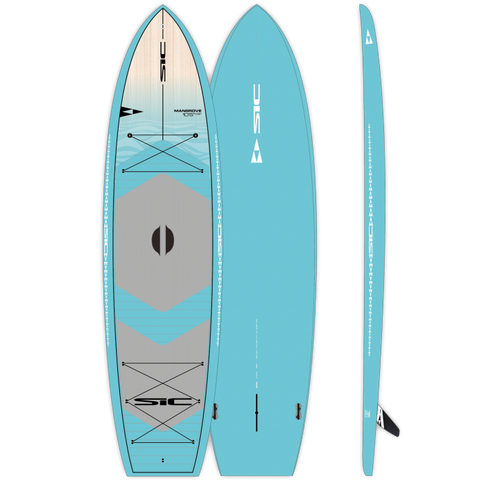
A sit-on-top kayak has an open deck. You sit on a molded seat above the hull instead of down inside it, and the deck is usually self-draining: scupper holes let water that splashes aboard run back out. That means no cockpit to fill up, and no wet exit if you tip over. You simply climb back on.
A sit-on-top kayak is also easy to get in and out of, with lots of room to move your legs, which many paddlers find more comfortable and less confining. The trade-off is exposure. Water comes up through the scuppers and drips off the paddle onto your lap, so you will get wetter than in a sit-inside boat. PaddleVA's sit-on-top collection includes models from Wilderness Systems, Perception, Ocean Kayak, Native Watercraft, and others, including the Recon 120, the Tribe 11.5, and the Malibu 11.5.
What is a sit-inside kayak?
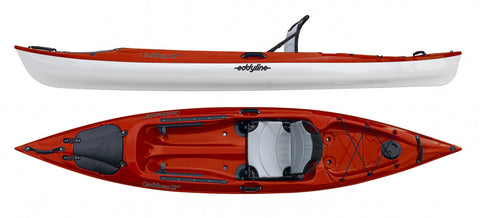
In a sit-inside kayak, your legs and lower body sit in a cockpit inside the hull, with your thighs braced against the deck and your feet on foot braces. The enclosed hull keeps your body lower, blocks wind and splashes, and gives you better contact with the boat for control. Add a spray skirt (a fabric cover that seals the cockpit), and you stay even drier.
The downside shows up if you capsize. You need to know how to exit the boat and get back in, and a swamped cockpit takes more effort to empty than a sit-on-top. Today's sit-inside kayak range at PaddleVA includes the Old Town Loon 106, the Wilderness Systems Tsunami series and the Eddyline Sandpiper 130, among others. Whichever boat you choose, practice a wet exit in calm, shallow water with someone watching before you head out.
Sit-on-top vs sit-inside kayaks at a glance
If you're shopping for the best kayak for beginners, start with this comparison. It's a general guide, not a claim about every model.
|
Factor |
Sit-on-top |
Sit-inside |
|
Getting in and out |
Easy, open deck |
Takes more practice |
|
Staying dry |
You'll get wet |
Drier, especially with a spray skirt |
|
Cold-water paddling |
Exposed, needs careful dressing |
Better protection from wind and spray |
|
Efficiency and control |
Wider, stable platform |
Often more efficient and responsive |
|
Gear and access |
Easy to reach and strap gear on |
Storage often inside, less open space |
|
After a capsize |
Climb back on |
Needs a wet exit and re-entry |
|
Fishing |
Popular for standing and casting |
Some models fishing-ready |
Best style for fishing
Most kayak anglers lean toward sit-on-top boats. The open deck gives you room to move, to stand on stable models, and to rig rod holders, tracks, and electronics. It's also easier to reach tackle and re-enter the boat after a swim. Some sit-inside boats are fishing-ready too, such as the Old Town Vapor 10 Angler that PaddleVA lists in its sit-inside collection, and they can be a good fit for anglers who fish in cooler weather and want to stay out of the wind.
Fishing boats vary a lot in width, weight, and rigging, so check capacity, seat comfort, and mounting options before buying. If you're considering pedal power, that's a separate decision that cuts across both styles.
Best style for recreation & touring
For easy lake paddles and casual day trips, recreational kayaks come in both styles. A sit-on-top is a friendly choice for warm weather, swimming stops, and paddlers who want to hop on and off. A sit-inside gives you more efficiency, a more connected feel, and more protection from wind.
For touring, sit-insides tend to have the edge. Longer, narrower hulls track straighter and glide farther, and the enclosed cockpit pairs well with a spray skirt and storage hatches for multi-hour paddles. That said, plenty of paddlers tour in long sit-on-top boats, especially in warm water. Think about trip length: the longer you'll paddle, the more efficiency and comfort start to matter.
Warm-water vs cold-water paddling
Water temperature may matter more than anything else in this decision. Sit-on-tops suit warm water because getting wet is part of the fun, and a quick swim is easy to recover from. In cooler conditions, a sit-inside offers more shelter from wind and spray, and PaddleVA's own guidance puts sit-ins in the cooler-water category.
Neither style makes cold water safe on its own. The National Weather Service says to dress for water temperature, not air temperature. Cold-water immersion can cause gasping and rapid breathing, and cold shock can occur in water between 50 and 60 degrees Fahrenheit. Wearing a U.S. Coast Guard-approved life jacket is a must in any style, and cold-season paddlers should talk with a specialist about exposure protection before launching.
Tandem & kids' kayaks
Paddling with a partner or a child changes the equation. Tandem kayaks come in both styles: PaddleVA's tandem collection currently includes the sit-on-top Native Watercraft Stingray 13.5 and Ocean Kayak Malibu Two, the sit-inside LiquidLogic Saluda 14.5 and an inflatable Star Raven II. Check the boat's weight capacity against the combined weight of both paddlers plus gear.
For kids, the biggest factors are fit and size. PaddleVA's guidance is to choose by the child's size, weight, and ability rather than age, and to keep young paddlers on calm, sheltered water with a properly fitted PFD. Kids' boats are often sit-on-top because they're easy to board and recover from, but selection varies, so call ahead if you're shopping for a youngster.
How to choose your style
Start with the water, then the activity, then your comfort. Ask yourself:
-
Will I paddle mostly in warm weather, or into the cooler months?
-
Do I want to stand, fish, or swim from the boat, or paddle long distances?
-
Am I comfortable with a wet exit and re-entry, or would I rather climb back on?
-
Will I share the boat, or buy one for a child?
If you're buying for a child, browse kids' kayaks with an adult beside them and let the child sit in the boat. Sit in both styles if you can, because seat comfort, leg room, and foot position vary from boat to boat. Fit matters more than any rule of thumb.
Find your kayak style in the USA
PaddleVA has been fitting paddlers since 1977, and ships kayaks and gear across the USA, though boat shipping terms depend on where you live. Visit the Farmville showroom to sit in both styles, or talk to a paddling expert at 800-442-4837 before you decide.
Frequently asked questions
1. What is the difference between sit-on-top and sit-inside kayaks?
A sit-on-top has an open, self-draining deck where you sit above the hull, while a sit-inside has an enclosed cockpit where your legs sit inside the boat. Sit-on-tops are easier to get on and off and wetter; sit-insides are drier and often more efficient.
2. Which kayak style is better for beginners?
Many beginners like sit-on-top kayaks because they're easy to get on and off and easy to recover from after a tip. A sit-inside can also work well for a beginner who practices a wet exit and wants more control and shelter.
3. Which style is better for fishing?
Sit-on-tops are the usual choice for fishing thanks to their open decks, standing stability, and rigging options. Some sit-inside kayaks are built for fishing and can suit anglers paddling in cooler or windier conditions.
4. Which style is better for cold water?
A sit-inside usually offers more shelter from wind and spray, but neither style protects you from cold water on its own. Dress for the water temperature and wear a life jacket in either one.
5. Are tandem and kids' kayaks available in both styles?
Tandem kayaks come in both styles, along with inflatable options. Kids' kayaks are more often sit-on-top, but availability varies, so ask a specialist what's in stock.
Related Posts

Cold-weather paddling gear: dry suits, layering & water shoes for fall and winter
November 23, 2026
How to transport a kayak or canoe: roof racks, carriers & trailers explained
November 20, 2026
How to choose a life jacket (PFD) for kayaking, canoeing & fishing: fit, types & features
November 19, 2026

Pedal drive kayaks vs paddle kayaks: Hobie & Old Town options, pros & cons
November 18, 2026
