Kayak vs. Canoe: Which one is better for fishing, family trips & recreation?
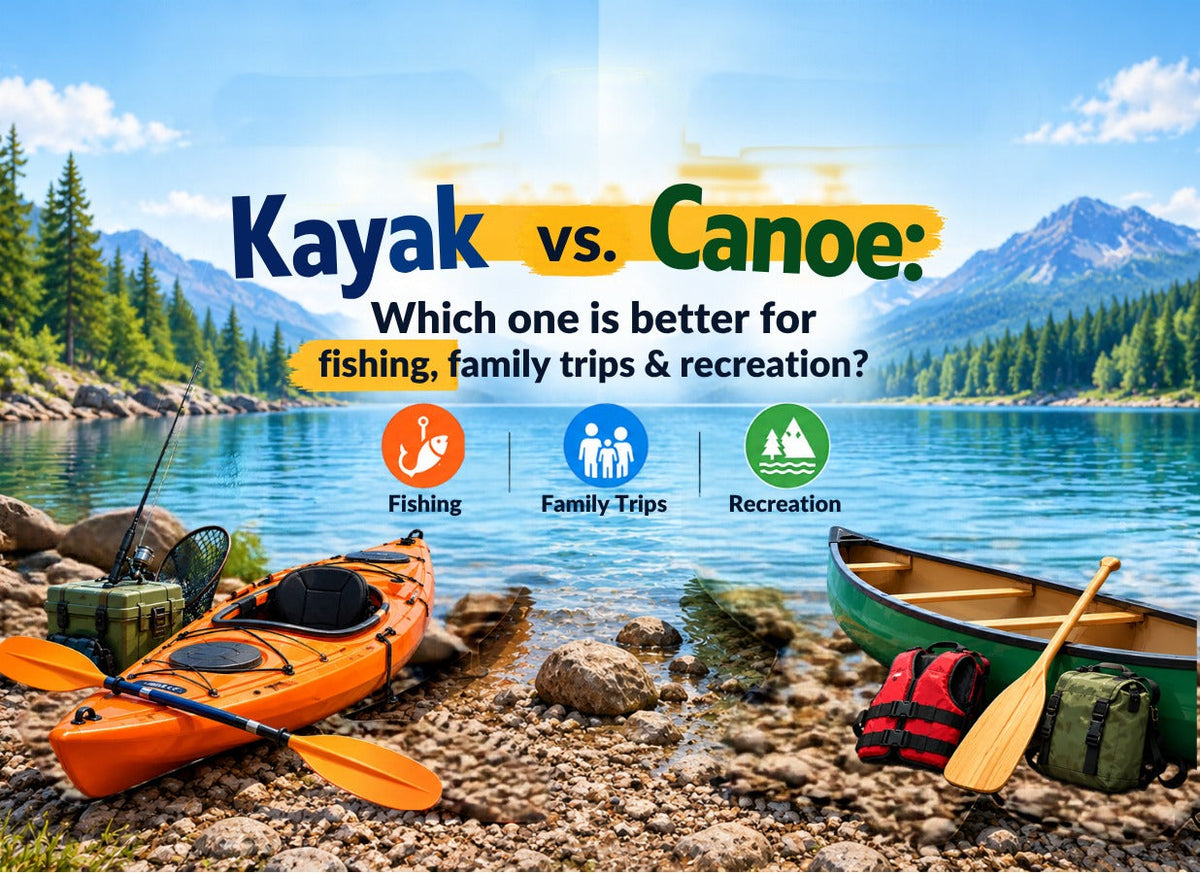
Choosing between a kayak and a canoe depends on how, where, and with whom you plan to paddle. While both can be excellent for fishing, family outings, and recreation, their stability, seating, maneuverability, storage, and carrying capacity differ significantly. This guide compares kayaks and canoes across common USA paddling scenarios so you can understand which boat better matches your activities, experience level, and preferred waterways.
Quick Answer
A kayak is generally better for solo fishing, efficient paddling, maneuverability, and recreational trips where tracking and easy handling matter. A canoe is often the better choice for families, dogs, multiple passengers, and trips requiring substantial gear. For fishing, either can work well depending on the water and equipment. Your ideal choice ultimately depends on passenger capacity, stability, storage needs, paddling conditions, and how you plan to use the boat.
Kayak vs. canoe: what’s the difference?
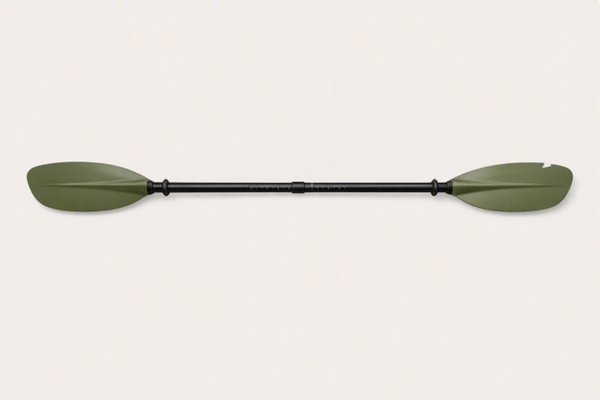
The main difference is the boat's design, seating position, and paddling style. A kayak typically has a lower seating position and is paddled with a double-bladed paddle. Canoes generally have an open hull, higher seating or kneeling positions, and use a single-bladed paddle.
Kayaks are often easier for solo paddlers because the double-bladed paddle provides efficient strokes from either side. Many recreational and fishing kayaks also provide stable platforms that are easy for beginners to manage.
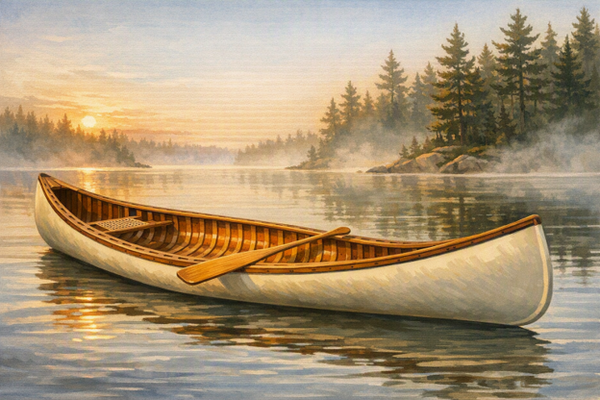
Canoes offer more open space and generally provide greater flexibility for carrying passengers, coolers, camping equipment, pets and other bulky gear. Tandem canoes can also make family paddling more practical because two people can share the workload.
The right choice therefore isn't simply about which boat is better. It's about matching the hull and configuration to the activity.
Kayaks vs. canoes for fishing
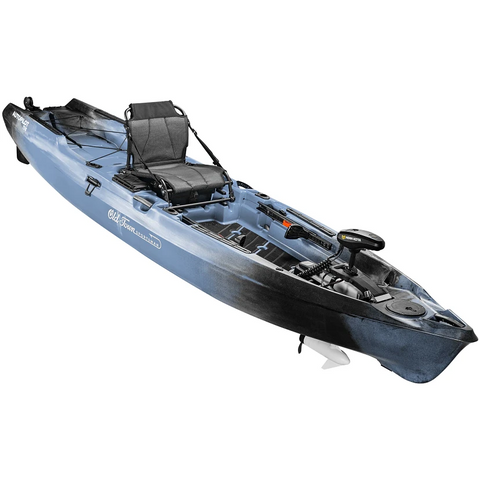
For anglers who primarily fish alone, a kayak can provide an efficient and compact platform. Modern fishing kayaks can include elevated seating, rod holders, gear tracks, tackle storage, and pedal-drive or motor-ready configurations. PaddleVA's current fishing selection includes dedicated fishing kayaks from brands such as Wilderness Systems, Old Town, Bonafide, and NuCanoe.
A fishing kayak can be especially useful on smaller lakes, ponds, and rivers where maneuverability and access to narrow fishing areas matter. Sit-on-top designs can also make it easier to enter and exit the boat and provide an open platform for casting.
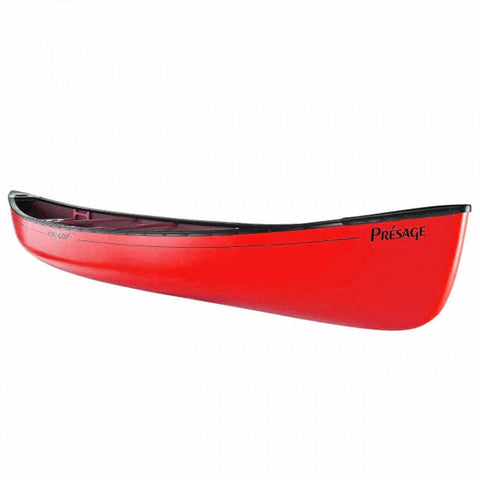
Canoes have their own advantages for anglers. Their open design gives you room for tackle boxes, coolers, and additional equipment, while their higher seating position can provide a useful view of the surrounding water. Fishing canoes can also be a practical option for anglers who fish with a partner.
For solo anglers prioritizing portability and precise control, a kayak is often the stronger choice. For two anglers carrying substantial equipment, a canoe may offer more usable space.
Which is better for family trips?
For many family outings, a canoe has the advantage because of its open interior and ability to accommodate multiple people and gear. Parents can bring children, dogs, coolers, life jackets, and other essentials without feeling as confined as they might in a smaller solo kayak.
Recreational canoes are particularly suited to calm lakes, ponds, and slow-moving rivers where stability and carrying capacity are more important than speed. PaddleVA describes recreational canoes as stable and forgiving options for lakes and calm rivers, making them a practical choice for families and casual paddlers.
Kayaks can still be excellent for family recreation when each person wants their own boat. Tandem and kids' kayaks allow families to paddle together while giving each paddler greater individual control.
For younger children or families carrying a lot of equipment, a canoe usually offers greater flexibility. For older children who want to develop their own paddling skills, separate recreational kayaks can provide more independence.
Kayak vs. canoe for recreation and leisure
For casual recreation, the best choice depends heavily on the experience you want.
A recreational kayak is often a good fit for solo paddlers who want to explore lakes, calm rivers, or protected waterways without managing a large boat. Their narrower profile and double-bladed paddle can make them efficient and relatively straightforward to handle.
A canoe is better suited to relaxed group outings, picnic trips, wildlife watching, and adventures where carrying capacity matters. Its open hull makes it easier to bring additional equipment and move around during a longer outing.
If your leisure activities involve calm water and short solo paddles, a kayak may be more convenient. If recreation usually means family outings, dogs, camping equipment, or longer group trips, a canoe can be more practical.
Stability and comfort compared
Stability isn't determined solely by whether a boat is a kayak or canoe. Hull width, length, design, and weight distribution all influence how stable a boat feels.
Wide recreational kayaks can provide substantial primary stability, which can make them comfortable for beginners. Some fishing kayaks are designed with particularly stable platforms to support casting and other fishing movements.
Canoes can also feel highly stable, particularly recreational models designed for calm water. Their higher seating position gives paddlers a different perspective and makes it easier to move around the open hull.
Comfort also depends on the seat. Kayaks generally provide dedicated seats with back support, while canoe seating varies by design and may include benches, seats, or kneeling arrangements.
For long outings, consider not just stability but also seat support, legroom, posture, and how easily you can enter and exit the boat.
Maneuverability and ease of paddling
Kayaks generally have an advantage for solo paddlers who want efficient forward movement and responsive control. The double-bladed paddle lets you alternate strokes without switching sides, which can make paddling feel intuitive for beginners.
Canoes require more technique because a single-bladed paddle is normally used on one side at a time. Tandem paddling also requires coordination between two paddlers.
However, canoes can be extremely maneuverable when properly paddled, especially shorter models designed for rivers and technical environments.
For moving water and rapids, purpose-built whitewater kayaks are designed around maneuverability, control, and quick directional changes. They are very different from recreational kayaks intended for calm-water paddling.
The same principle applies to canoes. Whitewater canoes are specialized for river environments and should not be confused with recreational canoes designed primarily for calm water.
Storage space and weight capacity
Storage is one of the biggest differences between kayaks and canoes.
A canoe's open hull can accommodate bulky items such as coolers, camping equipment, fishing tackle, dry bags, and family supplies. This makes canoes particularly useful for overnight trips and outings where carrying capacity is a priority.
Kayaks tend to have more limited storage, although touring and fishing models can provide substantial sealed compartments, tank wells, and deck storage. The advantage is that gear can often be organized into dedicated compartments.
Weight capacity is equally important. Always calculate the combined weight of paddlers, equipment, food, water, and other gear before choosing a boat. Exceeding the manufacturer's capacity can negatively affect stability and performance.
A canoe may be the better option when you need maximum open storage, while a kayak can work better when you prefer organized, compact gear storage.
Kayak vs. canoe for different USA paddling conditions
Water conditions should be one of the final factors in your decision. Calm lakes and slow rivers offer considerable flexibility, so recreational kayaks and canoes can both work well.
For coastal paddling, wind and waves become more important. A properly designed touring kayak can provide tracking and efficiency for longer journeys, while the right canoe can still perform well when conditions and paddler experience are appropriate.
For rivers, consider current, obstacles, maneuverability, and your experience level. Technical whitewater requires a purpose-built boat rather than a general recreational model.
Your local conditions should therefore influence the decision just as much as the activity itself. A boat that works perfectly on a calm lake may not be appropriate for fast-moving or rough water.
Common challenges or mistakes
One common mistake is choosing a boat based only on its appearance or price. A lightweight kayak may be attractive until you realize that its capacity does not meet your fishing or camping requirements.
Another mistake is assuming that a wider boat is automatically better. Stability, tracking, and maneuverability are all affected by hull design, and the ideal balance depends on your activity.
Beginners also sometimes underestimate transportation and storage. Consider how you will move the boat from your home to the water, whether your vehicle can carry it, and where you will store it between trips.
Finally, don't overlook safety equipment. Regardless of whether you choose a kayak or canoe, wear an appropriately fitted personal flotation device and choose a boat designed for the conditions in which you will paddle.
When should you consider a kayak instead of a canoe?
Consider a kayak when you primarily:
-
Paddle alone
-
Fish from a compact platform
-
Want efficient solo paddling
-
Prefer easier maneuverability
-
Paddle shorter recreational trips
-
Want a dedicated fishing or touring setup
Consider a canoe when you primarily:
-
Paddle with family or friends
-
Carry children or a dog
-
Need significant open storage
-
Bring camping or fishing equipment
-
Want an open and flexible seating area
-
Plan longer trips with heavier loads
Neither option is universally better. The right boat is the one that fits your paddling environment, passenger needs, experience, and equipment.
Conclusion
The kayak vs. canoe decision comes down to how you plan to use your boat. Kayaks are often the better choice for solo fishing, maneuverability, and efficient recreational paddling, while canoes excel at family outings, group trips, and carrying larger amounts of gear. For USA paddlers, water conditions should also play a major role in the decision. Consider stability, comfort, storage, weight capacity, transportation, and intended use before buying. When those factors match your priorities, choosing between a kayak and canoe becomes much easier.
Contact Appomattox River Company today to find the right kayak or canoe for your next adventure.
Frequently asked questions
1. Is a kayak or canoe better for fishing?
Kayaks are often better for solo fishing and maneuverability, while canoes offer more space and capacity for two anglers and additional gear.
2. Are canoes better than kayaks for families?
Canoes are often better for families because their open design provides more room for children, pets, passengers, and equipment.
3. Which is easier to paddle, a kayak or canoe?
Kayaks are generally easier for beginners to paddle solo because their double-bladed paddle makes alternating strokes straightforward.
4. Which has more storage, a kayak or canoe?
Canoes generally provide more open storage space, while kayaks offer more enclosed and organized storage depending on the model.
5. Are kayaks or canoes more stable?
Both can be stable. Stability depends on hull design, width, length, weight distribution, and the conditions where the boat is used.
6. Should I choose a recreational kayak or canoe?
Choose based on your typical activity. A recreational kayak suits solo paddling, while a recreational canoe is often better for families, pets, and carrying larger loads.