How to Choose a Canoe: Canoe Buying Guide for Beginners
If you’re wondering how to choose a canoe, the best place to start is not with the brand name or the lowest price. The right canoe should match the water you paddle, the number of people and amount of gear you carry, your storage and transport setup, and your comfort level on the water. This guide explains what to look for before you buy, so you can choose a canoe that feels stable, handles well, and fits the trips you actually want to take.

1. Decide Where and How You Will Use the Canoe
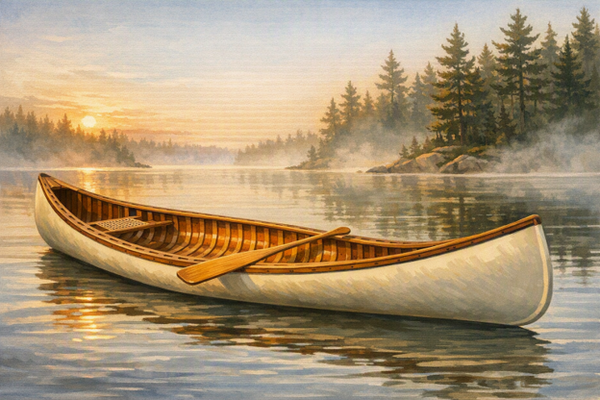
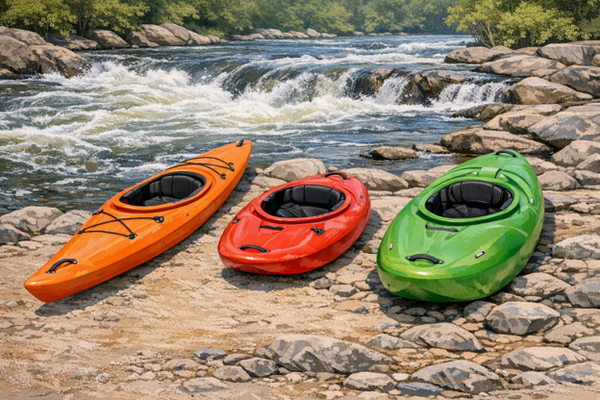
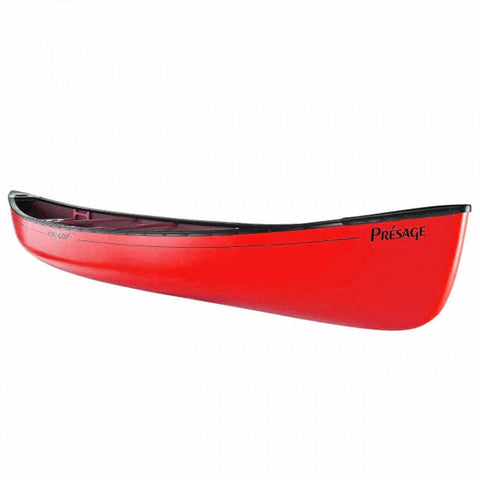
The right canoe depends first on where you will paddle. Calm ponds, small lakes, slow rivers, big open water, fishing spots, overnight camping routes, and whitewater all call for different designs. Recreational canoes are usually stable and easy to handle for beginners, while touring or tripping canoes are better for longer distances and carrying gear. River and whitewater canoes are built for maneuverability, durability, and rougher conditions.
2. Choose the Best Canoe Size for Your Trips
Length, width, and depth shape how a canoe feels on the water. Shorter canoes are easier to turn, lift, store, and transport. Longer canoes track straighter, carry more gear, and paddle more efficiently once moving. Many tandem recreational canoes fall in the 16–17-foot range because that size balances speed, capacity, and manageability. Wider canoes tend to feel more stable, while narrower canoes are often faster and easier to paddle over distance.

3. Check Canoe Weight Capacity Before You Buy
Capacity is more than the number of seats. Add the weight of paddlers, paddles, life jackets, coolers, fishing gear, camping equipment, dry bags, water, pets, and anything else you bring. If your typical load is close to the canoe’s maximum rating, look for a larger boat or pack lighter. A canoe performs best when it has enough freeboard and is not loaded to the edge of its limit.
4. Compare Canoe Materials: Polyethylene, Aluminum, Fiberglass, and Kevlar
Canoe material affects weight, durability, price, and maintenance. Polyethylene is affordable and tough, making it a popular choice for casual paddlers and families. Composite materials such as fiberglass, Kevlar, or carbon blends can be lighter and more efficient, but they often cost more and require more care. Aluminum canoes are durable and long-lasting, though they can be noisy, hot in the sun, and heavier than modern alternatives. If you need to lift the canoe onto a vehicle by yourself, weight may matter as much as performance.
5. Understand Canoe Stability, Hull Shape, and Rocker
Beginners often focus on width, but hull shape matters too. A flat-bottom canoe may feel very stable on calm water — helpful for fishing, photography, or family outings. A shallow-arch hull may feel less steady at first but performs better as water gets choppy. Canoes with more rocker (curve from bow to stern) turn more easily and are useful on rivers, while straighter hulls track better on lakes.
6. Look for Comfortable Seats, Roomy Layout, and Useful Features
Seats, thwarts, yokes, foot room, and storage space can make a big difference during a long day. Sit in the canoe if possible and imagine loading it with the people and gear you usually bring. Anglers may want a wider, roomier platform. Campers may need open space for dry bags. Solo paddlers should look carefully at seat position and balance — paddling a tandem canoe alone can be awkward if the boat is not set up for it.
7. Plan for Canoe Transport, Storage, and Portage Weight
A canoe that is too heavy to load, too long for your storage space, or too difficult to tie down may not get used often. Before buying, measure your garage, shed, or rack area. Make sure your vehicle can safely carry the canoe and that you are comfortable lifting it. Portage weight also matters if you plan to carry the canoe between lakes or around obstacles.
8. Inspect a Used Canoe for Damage Before Buying
A used canoe can be a smart buy, but inspect it closely. Look for cracks, deep gouges, soft spots, warped areas, loose seats, damaged gunwales, worn stems, poor repairs, and signs of long-term sun exposure. Ask where the canoe was stored, how it was transported, and whether it has been repaired. Cosmetic scratches are common; structural damage is a reason to walk away.
9. Budget for Canoe Safety Gear and Accessories
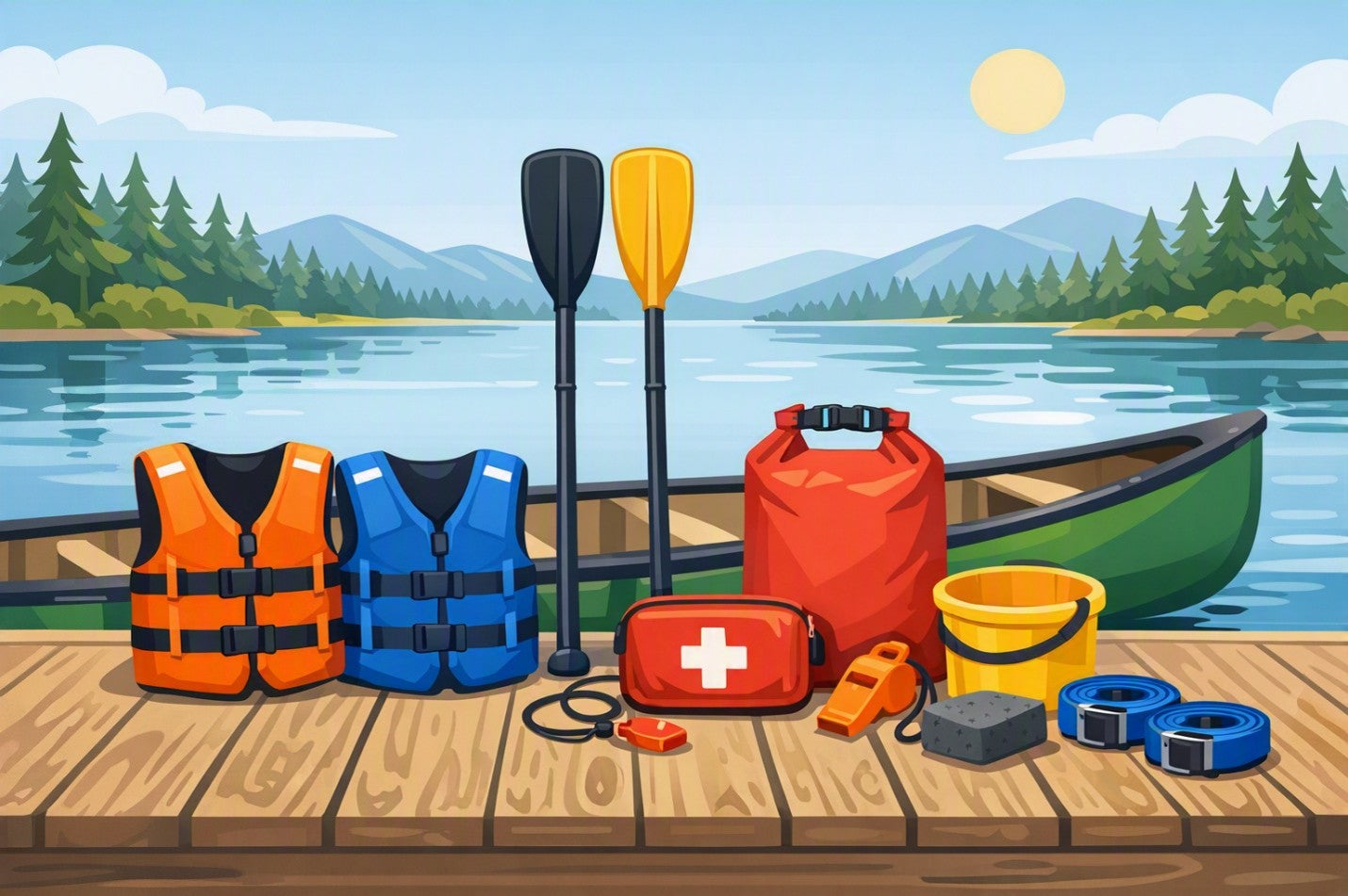
The canoe is only part of the purchase. Plan for properly fitted life jackets, paddles, a bailer or sponge, a whistle, dry storage, a first-aid kit, and tie-down straps. If you paddle in cold water, moving water, or remote areas, build your safety kit around those conditions and consider instruction before taking on more challenging routes.

Canoe Buying Checklist
- Where will you paddle most often: lakes, rivers, ponds, or whitewater?
- Will you paddle solo, tandem, with kids, with pets, or with camping gear?
- Does the canoe’s capacity cover your real load with room to spare?
- Can you lift, transport, and store it comfortably?
- Is the material right for your budget, durability needs, and weight limits?
- Does the hull shape match your priority: stability, speed, maneuverability, or load carrying?
- If buying used, have you checked for structural damage and poor repairs?
- Have you budgeted for paddles, life jackets, straps, and safety gear?
Frequently Asked Questions About Buying a Canoe
What is the best canoe for beginners?
For most beginners, the best canoe is a stable recreational canoe designed for calm lakes, ponds, and slow-moving rivers. Look for a model that is easy to paddle, has enough capacity for your passengers and gear, and is light enough for you to transport safely.
What size canoe should I buy?
A 16–17-foot tandem canoe is a common all-around choice because it balances carrying capacity, tracking, and manageability. Shorter canoes are easier to turn and transport, while longer canoes carry more gear and paddle more efficiently over distance.
Which canoe material is best?
The best canoe material depends on your budget and how you plan to use the canoe. Polyethylene is durable and affordable, aluminum is long-lasting, fiberglass offers a balance of performance and cost, and Kevlar or other lightweight composites are easier to carry but usually more expensive.
Is it better to buy a new or used canoe?
A used canoe can be a good value if it has been stored properly and does not have structural damage. Before buying used, inspect the hull, gunwales, seats, thwarts, stems, and any repairs. If you want a warranty, the latest materials, or a specific fit, buying new may be worth the extra cost.
Final Thoughts: Choose the Canoe That Fits Your Real Adventures
The best canoe is the one that matches your real adventures. If you mostly take relaxed day trips, choose stability and easy handling. If you dream of weekend camping routes, prioritize capacity, tracking, and manageable portage weight. If you can, test paddle before buying and compare a few canoe types side by side. Use this checklist as a starting point, then choose the boat that makes it easier, safer, and more enjoyable to get on the water.