
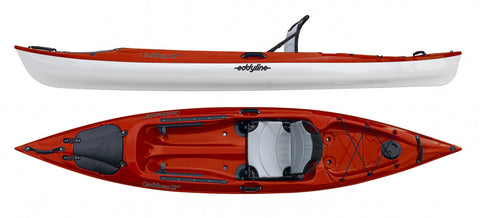
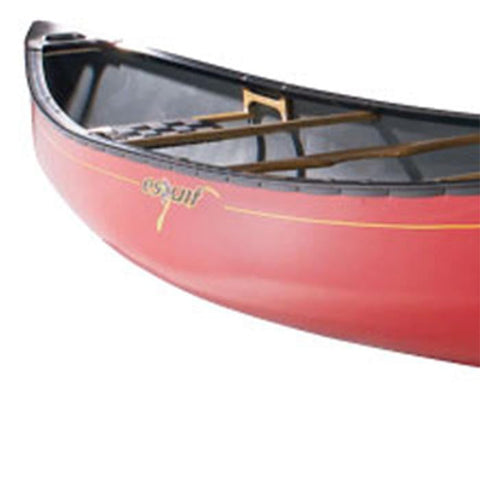
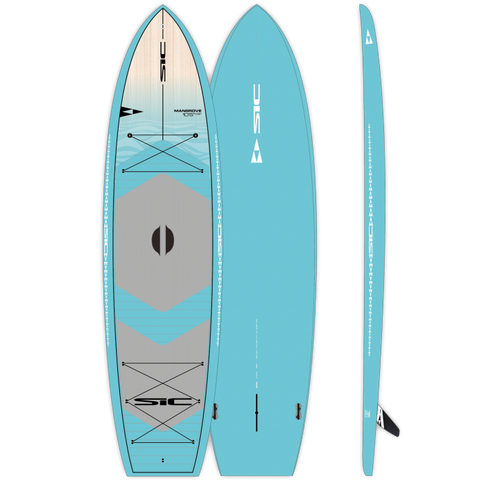
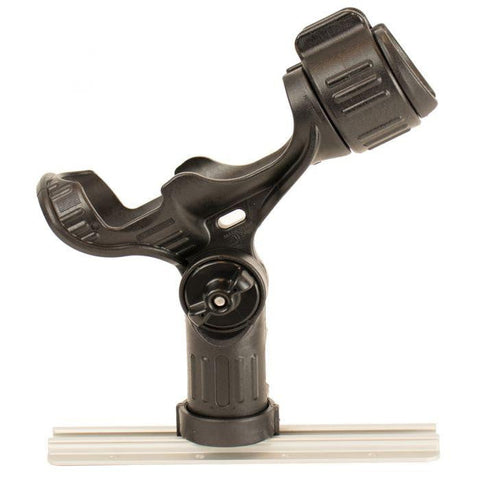
How to choose the right fishing kayak for your size and fishing style
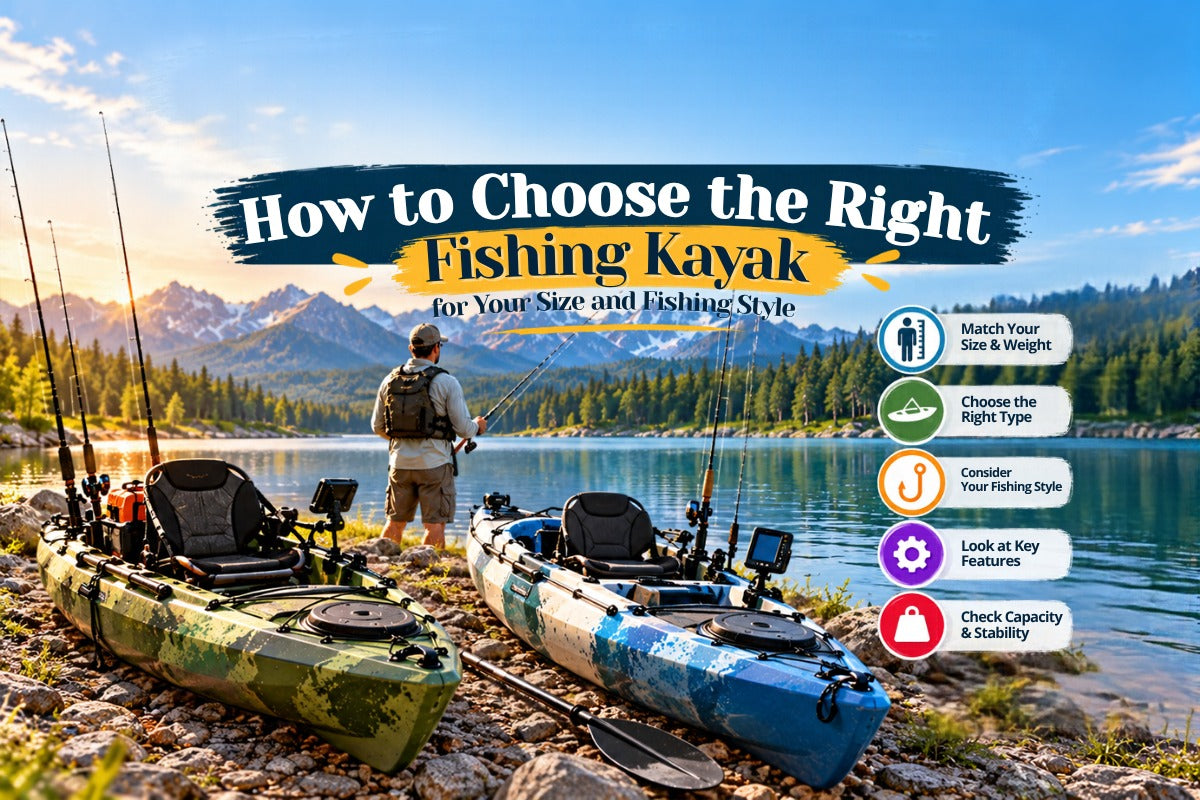
Choosing a fishing kayak is not just about finding a model with enough storage or a comfortable seat. Your height, weight, paddling experience, and preferred fishing style all affect how a kayak fits and performs on the water. A kayak that works well for one angler may feel cramped, difficult to control, or impractical for another. This guide explains how to compare kayak length, width, capacity, and seating so you can choose a setup that fits your body and fishing needs.
Quick answer
To choose the right fishing kayak, match its dimensions, weight capacity, stability, and seating to your body size and the conditions where you fish. Smaller paddlers may prefer a manageable kayak with suitable footrests and an adjustable seat, while larger paddlers should pay close attention to cockpit space, usable capacity, and stability. Your fishing style matters too: calm-water anglers, river fishermen, and those covering larger lakes may need different hull designs, storage arrangements, and propulsion systems.
Why your size and fishing style matter
Your body size affects how comfortably you sit, how easily you reach the controls, and how much weight the kayak must support. Your fishing style determines how much equipment you need to carry and which performance characteristics matter most.
For example, an angler fishing small ponds with a few tackle boxes may need a different kayak from someone who spends all day on a large reservoir with a cooler, fish finder, and additional gear.
Match the kayak to your body
Before comparing models, consider:
-
Your height and leg length.
-
Your body weight.
-
Seat comfort and back support.
-
Cockpit dimensions and footrest adjustment.
-
Total weight of your fishing equipment.
-
How easily you can carry, launch, and transport the kayak.
A comfortable fit helps you maintain a practical paddling position and reach your equipment without unnecessary stretching.
Match the kayak to your fishing style
Think about whether you primarily fish while seated, need to move frequently between spots, carry several rods, or fish with another person.
Anglers who cover large distances may prioritize efficient tracking and propulsion. Those fishing sheltered water may value stability, easy handling, and convenient storage. Choosing around your routine is usually more useful than buying a kayak based on appearance alone.
How to choose the right kayak length
Kayak length affects tracking, maneuverability, storage, and transportation. There is no single ideal length for every angler.
Shorter fishing kayaks
Shorter kayaks are often easier to turn and may be simpler to transport and store. They can suit smaller waterways, sheltered fishing spots, and anglers who prefer a compact setup.
However, shorter models may have less storage space and may not track as efficiently as longer kayaks over extended distances. Always check the specific model's dimensions and intended use.
Longer fishing kayaks
Longer kayaks generally track more efficiently and can be useful when you need to travel between fishing locations. They may also provide more room for gear, depending on the design.
The trade-offs can include greater weight, more demanding transportation, and less convenient turning in tight spaces.
Consider touring-style designs for longer trips
Touring kayaks are generally designed for efficient paddling over longer distances. Some anglers may appreciate their tracking and storage characteristics when fishing involves travelling across larger waterways.
However, a touring kayak is not automatically a fishing kayak. Check for suitable seating, accessible storage, stability, and compatibility with your fishing equipment before choosing one for angling.
Choosing the right kayak width for stability
Kayak width can influence how stable the boat feels, how much space is available, and how efficiently it moves through the water.
Wider hulls often provide greater initial stability, which can be helpful for anglers who carry substantial gear or want a steady platform while casting. Narrower hulls can offer improved paddling efficiency but may feel less stable to some users.
Consider your fishing position
If you fish primarily while seated, you may not need the same platform characteristics as an angler who wants to stand. Standing requires a kayak specifically designed for that use, appropriate conditions, and suitable experience.
Do not assume that a wide kayak is automatically safe for standing. Review the manufacturer's recommendations and understand how your weight and equipment affect stability.
Balance stability with maneuverability
A very wide kayak can be harder to paddle efficiently, while a narrow model may require more balance and control. Choose a width that suits your body size, experience, and typical water conditions rather than focusing on a single measurement.
Whenever possible, try the kayak or ask a knowledgeable retailer about its handling characteristics under realistic loading conditions.
Understanding fishing kayak weight capacity
Weight capacity is one of the most important specifications to check before buying. It includes much more than your body weight.
Your total load may include:
-
Your body weight.
-
Paddle and personal flotation device.
-
Rods, reels, and tackle boxes.
-
Cooler, food, and water.
-
Fish finder, batteries, and accessories.
-
Other equipment you plan to carry.
Calculate your total load
For example, if you weigh 200 pounds and plan to carry 35 pounds of equipment and supplies, your combined load is 235 pounds. Compare that figure with the manufacturer's maximum capacity and loading guidance.
Do not treat the maximum capacity as a target to reach. Leave a sensible margin where possible, and remember that loading, weight distribution, and water conditions can affect performance.
Check usable space as well as capacity
A kayak may have enough rated capacity but still lack convenient space for your gear. Check the deck layout, storage compartments, and access points to ensure you can carry equipment without obstructing paddling or movement.
Best fishing kayaks for smaller paddlers
Smaller paddlers often benefit from a kayak that is manageable on land and comfortable on the water. A boat that is too long or heavy can be difficult to load, carry, and turn, particularly when fishing alone.
What smaller paddlers should look for
Prioritize:
-
A manageable overall weight.
-
Suitable seat and footrest adjustment.
-
Comfortable cockpit or seating dimensions.
-
Enough capacity for the paddler and fishing gear.
-
Easy-to-reach storage and controls.
-
Handling that suits the intended water conditions.
A shorter or lighter model may be more convenient, but it still needs enough capacity and suitable hull performance for your fishing style.
Avoid choosing by dimensions alone
A compact kayak is not necessarily the best fit for every smaller paddler. Seat design, cockpit shape, footrest position, and weight distribution can make a substantial difference.
Try the seating position if possible and verify that you can reach the paddle comfortably while maintaining a relaxed posture.
Best fishing kayaks for larger paddlers
Larger paddlers should pay close attention to usable capacity, seating dimensions, and the kayak's overall fit. A boat that technically supports your weight may still feel cramped or leave too little room for fishing equipment.
Features to prioritize
Look for a kayak with:
-
Sufficient weight capacity for you and your gear.
-
A comfortable seat with appropriate back support.
-
Adequate legroom and foot positioning.
-
A hull suited to your intended water conditions.
-
Accessible storage that does not crowd the seating area.
-
Manageable transportation requirements.
Do not rely on a kayak's weight rating alone. Your fit and the way the kayak handles when loaded are also important.
Compare models by fit and intended use
Fishing kayaks come in a variety of lengths, widths, and seating arrangements. Compare actual specifications instead of assuming that one category or brand will fit every larger paddler.
If you regularly carry heavy tackle, a cooler, or other equipment, calculate the complete load before making a decision.
Sit-in vs. sit-on-top kayaks for fishing
The seating configuration affects comfort, access to equipment, exposure to water, and ease of entry and exit.
Sit-in fishing kayaks
Sit-in models place the paddler inside a cockpit. Depending on the design, they may offer protection from splashes and weather exposure, with storage options that suit particular trips.
However, cockpit dimensions can restrict movement or make reaching fishing equipment less convenient. Check the opening size, legroom, and seat position before buying.
Sit-on-top fishing kayaks
Sit-on-top models place the paddler above the hull and often provide an open deck, accessible storage, and straightforward entry and exit. Many fishing-focused designs also offer mounting points for rod holders and other accessories.
They are popular for recreational and fishing use, but comfort, stability, and capacity still vary by model.
Choose the configuration that best matches your body size, fishing technique, climate, and preferred waterways.
How to choose the right fishing kayak in the USA
Fishing environments across the USA range from small ponds and inland lakes to large reservoirs, rivers, and coastal waters. Your local conditions should influence the kayak you select.
For sheltered lakes, you may prioritize comfort, storage, and stability. For larger waterways, efficient tracking, suitable propulsion, and sufficient capacity may be more important. River anglers should consider current, obstacles, and maneuverability, while coastal paddlers must account for wind, waves, and changing conditions.
Consider transportation and storage
A kayak that fits your body but is too heavy to transport comfortably may become inconvenient to use. Check its weight, dimensions, roof-rack compatibility and storage requirements before purchasing.
If you usually fish alone, make sure you can load, unload, and launch the kayak safely. A cart or suitable carrying system may help with some models.
Common mistakes when choosing a fishing kayak
Choosing by length alone: Length matters, but comfort, width, capacity, and intended use are equally important.
Ignoring total load: Add your equipment and supplies to your body weight before checking capacity.
Assuming wider always means better: Width can improve initial stability but may affect speed and paddling efficiency.
Overlooking seating fit: Poor legroom or an uncomfortable seat can make long fishing trips unpleasant.
Buying a kayak that is difficult to transport: Consider the full process of carrying, loading, launching, and storing it.
Ignoring local conditions: A kayak suitable for a calm pond may not be appropriate for exposed coastal water or technical rapids.
Choosing features you will not use: Prioritize the equipment and storage that support your actual fishing routine.
When should you consider a two-person fishing kayak?
A two-seater fishing kayak may be a good option if you regularly fish with a partner or family member. Tandem models can provide shared seating and room for equipment, but their dimensions, weight, and handling differ from those of solo kayaks.
Before buying, check the total weight capacity, seating arrangement, storage space, and ease of transportation. Also consider whether the kayak can be operated comfortably by one person if you sometimes fish alone, and confirm that solo use is permitted by the manufacturer.
If most of your trips are solo outings, a single-person kayak may be easier to manage and transport.
How to compare your final options
The best fishing kayak is the one that fits your body, fishing style, intended water conditions, and budget. Before making a final choice, compare at least two or three suitable models using the same criteria.
Check each model's dimensions, maximum capacity, seat adjustments, storage layout, hull design, and transportation requirements. If possible, sit in the kayak or arrange a demo to assess comfort and fit.
Don't rely on popularity alone. A highly rated model may still be unsuitable if it does not accommodate your size or the equipment you need to carry.
Conclusion
Choosing the right fishing kayak starts with understanding your body size, preferred fishing style, and the waterways you visit most often. Length affects tracking and maneuverability, width influences stability, and weight capacity determines how much equipment you can safely carry within the manufacturer's guidelines. Seating fit, storage, transportation, and hull design also deserve careful consideration. Compare models based on how you will actually use them rather than choosing by price or appearance alone. With the right fit and features, you can enjoy more comfortable, practical, and rewarding fishing trips.
Contact Appomattox River Company today to find the right fishing kayak for your size and fishing style.
Frequently asked questions
1. How do I choose the right fishing kayak for my weight?
Check the manufacturer's maximum capacity and include your body weight, fishing gear, water, food, and accessories in your total load. Also ensure the seating and available space fit you comfortably.
2. Is a wider fishing kayak more stable?
Wider kayaks often offer greater initial stability, but hull shape, loading, water conditions, and paddler movement also affect stability.
3. What length fishing kayak is best?
Shorter kayaks can be easier to maneuver and transport, while longer models generally track more efficiently. The best length depends on your fishing location and intended use.
4. Are sit-on-top kayaks better for fishing?
They are popular because of their open decks, accessible storage, and easy entry and exit. However, a sit-in model may suit some paddlers and conditions better.
5. Can a larger paddler use a standard fishing kayak?
Yes, provided the kayak offers sufficient capacity, suitable seating, and adequate space for the paddler and equipment. Check the manufacturer's specifications before buying.
6. Should I buy a single-person or two-person fishing kayak?
Choose a single-person model if you usually fish alone and prioritize easier transportation. A tandem kayak may be more suitable if you regularly fish with another person and need shared seating.
Related Posts
5 must-have fishing kayak features to check before you buy
November 11, 2026
Kayak vs. paddleboard for fishing: Which one gives you the better experience?
November 9, 2026
7 steps to choosing the right custom boat without making costly mistakes
November 5, 2026

Recreational canoes vs. whitewater canoes: 5 key differences to know
November 2, 2026
